Delicious good healthy Ramen! Fair pricing for amazing quality food. Small place so there is usually waiting time for a table unless you come just a little earlier.
Overview
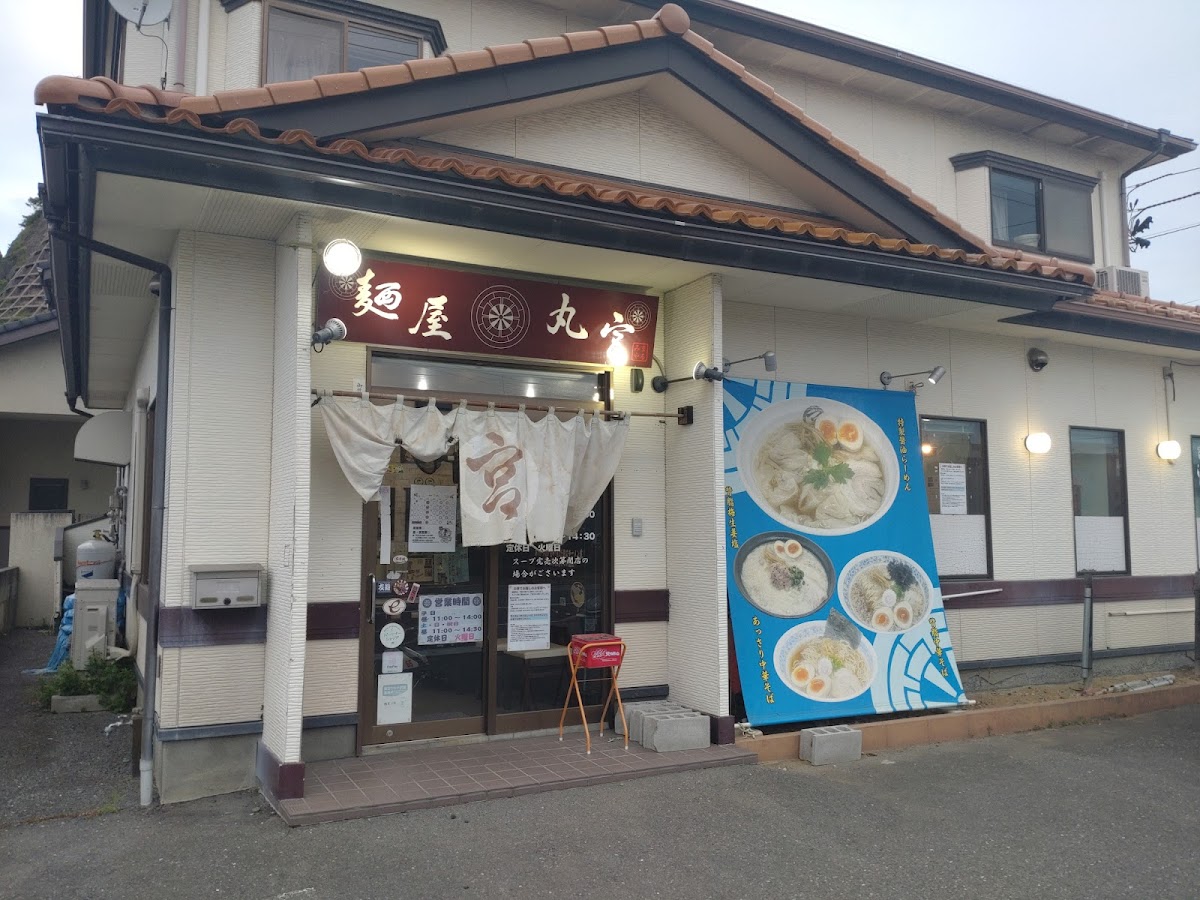
Tucked away at 1 Chome-9-25 Hachimancho, Ishinomaki, Miyagi 986-0016, Japan, Marumiya feels like the kind of place you discover once and then quietly recommend to friends who truly appreciate good food. I first visited on a chilly afternoon after exploring the coastal streets of Ishinomaki, and what struck me immediately was the comforting aroma of simmering broth drifting out to the entrance. It wasn’t flashy or modern. Instead, it felt grounded, authentic, and deeply connected to local culinary traditions.
The menu leans heavily into classic Japanese comfort dishes, with ramen, rice bowls, and seasonal seafood taking center stage. Ishinomaki is known for its fishing industry, and according to data from Japan’s Ministry of Agriculture, Forestry and Fisheries, Miyagi Prefecture consistently ranks among the top regions for seafood production. You can taste that freshness here. I ordered a seafood-topped rice bowl featuring locally sourced sashimi, and the texture was incredibly clean and delicate. The fish wasn’t masked by sauces; it was simply enhanced with soy sauce and wasabi, allowing its natural sweetness to shine.
On another visit, I tried their signature ramen. The broth had that slow-cooked depth you only get from hours of careful preparation. When I asked about it, the staff explained that the stock is simmered daily using pork bones and aromatic vegetables, then balanced with soy-based seasoning. Food scientists often talk about umami as the fifth taste, a concept identified by Professor Kikunae Ikeda in the early 20th century. Here, that savory richness is unmistakable. The broth coats the noodles evenly, and each bite feels intentional rather than overwhelming.
Service at Marumiya is warm and unpretentious. During my second visit, I noticed how regulars were greeted by name. That kind of community connection says a lot about a restaurant’s place in the neighborhood. Reviews from both locals and travelers frequently highlight the attentive staff and consistent flavors. While online ratings are always subjective, the steady praise for portion sizes and value suggests reliability rather than hype.
What makes dining here even more meaningful is the context of Ishinomaki itself. After the 2011 Tōhoku earthquake and tsunami, many local businesses faced immense challenges. Restaurants like this one played a quiet but important role in rebuilding the community. The resilience of Miyagi’s food culture has been documented by regional tourism boards and recovery reports, emphasizing how small eateries helped restore both employment and morale. Eating here feels like supporting something bigger than just a single meal.
The interior design is simple: wooden tables, handwritten menu boards, and a counter where solo diners can comfortably sit. It’s the kind of setting where you can watch dishes being assembled in real time. I’ve always believed that transparency in food preparation builds trust. Seeing the ingredients, observing the process, and hearing the sizzle from the kitchen adds an extra layer of reassurance about quality and hygiene standards.
Prices are reasonable, especially considering the generous portions. Compared to larger city restaurants in Sendai or Tokyo, the cost-to-quality ratio here feels refreshingly fair. That balance matters, particularly for travelers exploring Miyagi Prefecture on a budget. You get authentic regional flavors without paying tourist premiums.
Of course, like any local diner, there are limitations. The menu may not cater extensively to strict dietary preferences, and English explanations can sometimes be minimal. However, the staff are patient, and pointing to menu items usually works just fine. In my experience, that small language gap often leads to pleasant surprises rather than frustration.
If you care about fresh seafood, carefully crafted ramen, and the kind of hospitality that feels genuine rather than rehearsed, Marumiya stands out in Ishinomaki’s dining scene. It’s not about trendy presentation or social media aesthetics. Instead, it’s about consistency, flavor, and the quiet pride of serving food that reflects its coastal surroundings.
Good to know
Service options
✓ Dine-in ✓ Delivery ✓ TakeawayPopular for
✓ Lunch ✓ Solo diningAccessibility
✓ Wheelchair-accessible car park ✓ Wheelchair-accessible entrance ✓ Wheelchair-accessible seatingOfferings
✓ Alcohol ✓ BeerDining options
✓ Lunch ✓ Dinner ✓ Table serviceAmenities
✓ ToiletAtmosphere
✓ Casual ✓ CosyPayments
✓ Cash only ✓ PayPayChildren
✓ Good for kidsParking
✓ Free parking lot ✓ ParkingPhotos
1 / 4
Location
Reviews
- No ratings yet 365 reviews
ラーメン通の息子に連れられ初入店。 一見町中華で若い店長と女性店員。満席とスタッフ不足なのか20分待った。 私は鶏出汁醤油ラーメン、妻は鰹出汁中華蕎麦、其々ワンタン5個トッピング。 細麺で少し塩味が強く、鶏出汁は油味が強い。鰹出汁はサッパリ味で美味しい。 ワンタンが大きく、独特の香りがあり美味しかった。
ラーメンは好き嫌いがハッキリ分かれる料理ですが、私は美味しく感じました。 寒い時期だったので生姜入りのラーメンはとても体が温まりました。
震災後復興過渡期に有る石巻湊地区で頑張っている飲食店の1つです。 存在は知ってたけど今一入る気になってなかった所に地元情報誌に載ってたので気が向いて入店。 店内特に飾り気が有る訳で無く、むしろ拉麺屋?って位の印象。 品数は少ないですが味噌ラーメンが微妙な違いだけで何種類も有る店は個人的にあまり好きじゃ無いので、むしろ好印象。 背油醤油ラーメンに情報誌のクーポンを使って味たまを付けました。 見た目コッテリだったのでコッテリ好きな自分は期待して一口食べたのですが・・・・ん?何か見た目と違ってサッパリなんですけど・・・・・美味い・・・・けど・・・・うん、美味い!! 聞いた話しだと、何でも塩ラーメンが美味しいらしいとの事。 今度行く機会が有れば、塩ラーメンを注文してみたいと思います。 評価としては、個人的にややコッテリが好みだったので星三つの評価ですが、結局スープも飲み干したんで美味しかったんだと思います笑!! あまり大食漢では無い自分は余程美味しく無いとスープを全部飲み干すことは、ほぼ有りません。 2025年7月追記 再訪したキッカケは店の前を通り過ぎる度に駐車場に止まる車の台数が多かった事。 以前訪れた時に美味しいとは感じていた物の何故かリピートしていませんでした。 アレから数年ぶりの再訪。 正直店内の雰囲気やラーメンの味其の物もデリートされていてマッサラな状態。 店内何処となくバイカーなのかな?って印象がチラホラ。 訪れた際には俺の他に店内に一組2名。 内心入りは少ない?と思っていましたが俺が退店する頃に入れ違いで2台車が入って来ていました。 メニューを見てみるとやはりメニュー数は少なめ?いや、少し増えたのかな? 以前は背脂醤油を食べた様ですが今回はソレに生姜の乗った背脂生姜醤油を。 なんなら背脂生姜梅醤油?の梅に惹かれてソッチを試そうかとも思いましたが冒険して失敗するのが嫌だったので背脂生姜醤油にしました。 言ったら自分的には生姜も冒険と言うか以前別な場所で食べた生姜系のラーメンが生姜の主張が凄すぎて好みでは無かったので自分の中ではある意味生姜リベンジでも有りました。 注文してから実際に食べて見ると生姜の味が強いのは強いんですけど全体的にサッパリとしていて最終的にはスープまで完食してしまいました。 冬場なんかは特にオススメ出来るラーメンだと思います。
女川から石巻駅方面に向かってた時に、お昼時だったので家族で立ち寄りました。 カウンター席、テーブル席、小上がりがありました。全部で20名程度入れると思います。 券売機はなく、オーダーでした。会計は最後に席での支払いでした。 背脂中華そば、背脂生姜醤油、背脂梅生姜塩、醤油らーめん、塩らーめん、塩バターめしを頼みました。 背脂中華そばは、中太麺と細麺が選択できました。私は細麺をいただきましたが、スープに絡んでとても美味しくいただきました。そしてチャーシューが凄く美味しい 味も丁度いい塩梅で、とても柔らかかったです。 レンゲに塩バターめしを乗せて、そこに醤油ベースのスープをすくって、ご飯を浸して食べてみたのですが、味がとてもマッチしていて美味しかったです
今時珍しい細麺が選べる、中華そば。 ワンタンも大きく、チャーシュー、味玉も美味い!前回より、美味くなった気がする。バイパスにある米沢ラーメン同様に、好みのラーメンだ。ラーメンスープをかけていただくサバメシも、工夫に満ちて、評価できる。 膝痛にはお座敷は、しんどいので、次はテーブルを待つことにしよう。
すっぱい冷やし中華とはっきり書いてあるのですが、麺を食べる限りには、暑い時期丁度いいと思ます。ただし、ワンタンを啜る際には油断をつかれてしまいました。
石巻のオススメのラーメン屋 背脂生姜醤油が美味しい 運が良ければナッツケ(納豆つけ麺)がある